::::
::::

About the Council

The National Aboriginal and Torres Strait Islander Catholic Council (NATSICC) is the peak Advisory Body to the Australian Catholic Bishops on issues relating to Aboriginal and Torres Strait Islander Catholics.
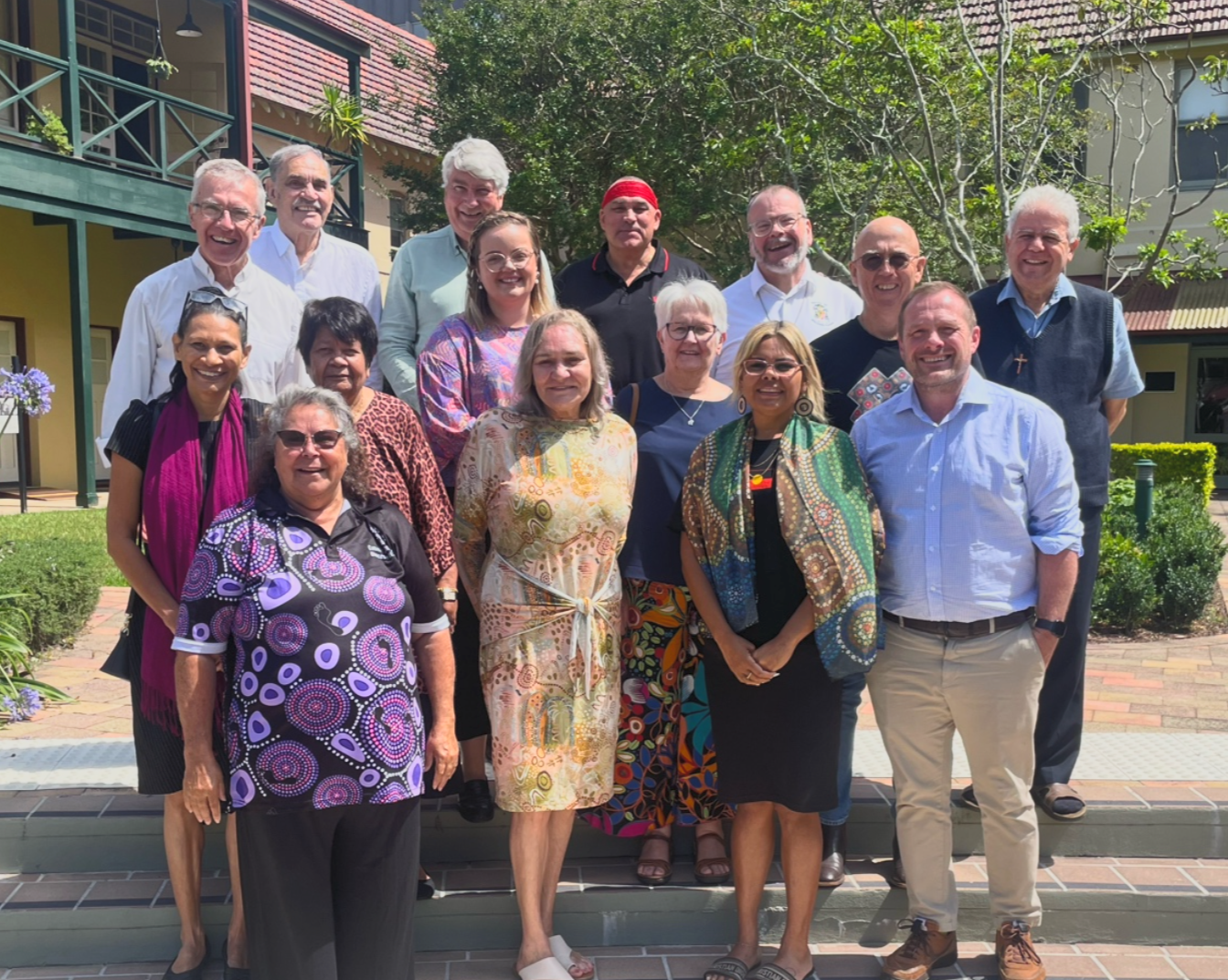
What is NATSICC?
NATSICC is a not for profit Organisation that is funded by the Catholic Church and Caritas Australia's First Nations Program.
The National Aboriginal and Torres Strait Islander Catholic Council (NATSICC) is the peak Advisory Body to the Australian Catholic Bishops on issues relating to Aboriginal and Torres Strait Islander Catholics. The Council was founded in 1992 and the Secretariat is based in Adelaide.
Each State and Territory nominates a representative via their local Aboriginal and Torres Strait Islander Ministry or Bishop. The Council meets monthly via Video Conference and twice yearly on a face to face basis. NATSICC advises the Bishops Commission for relations with Aboriginal and Torres Strait Islander Catholics.
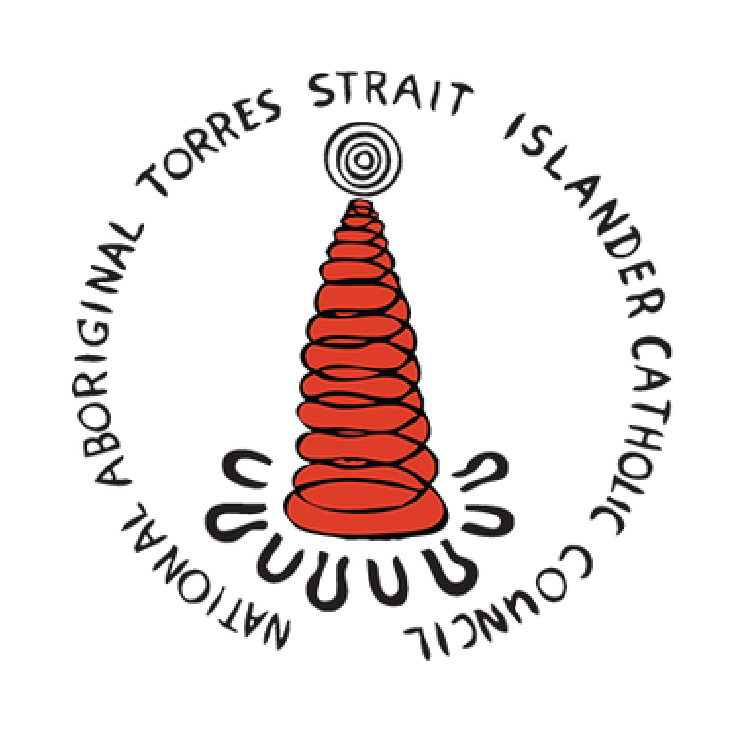
The logo of NATSICC
The logo of NATSICC depicts a willy willy, the wind force as a symbol of God’s spirit in the centre. At the top are concentric circles as symbols of God and life while at the base are depictions of men and women receiving the Holy Spirit.
The logo was designed by Olive Boddington from Western Australia.
History of NATSICC
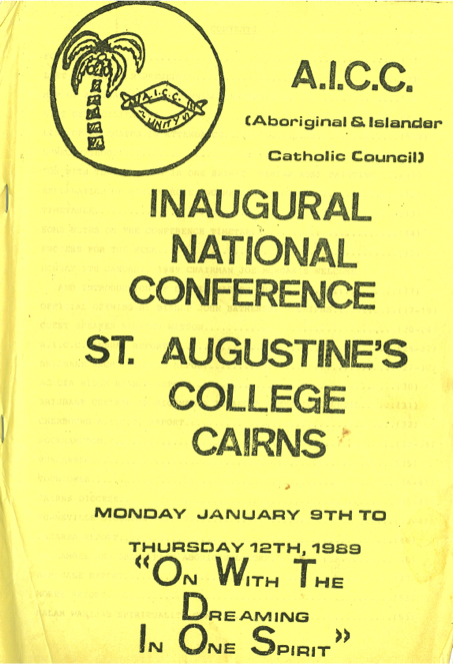
The concept of NATSICC was first considered at the 1989 meeting of Aboriginal and Torres Strait Islander Catholics in Cairns at the “On with the Dreaming in One Spirit” Conference. Representatives from across Australia felt that a formal structure within the Church was needed to ensure the voices of Australia’s First Peoples were being acknowledged and considered.
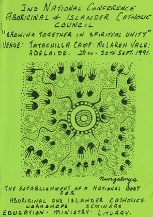
The following 18 months were spent creating what is now known as NATSICC – which consisted of over 30 representatives from every State and Territory in Australia. Those representatives met again in Adelaide in 1991 to chart the course of their new, self controlled Catholic Council.
In 1992 the Australian Catholic Bishops formally recognised NATSICC as an Advisory Body to the Conference.
The NATSICC Secretariat has been housed in Canberra, Melbourne and its current location Adelaide since 2000.
NATSICC Achievements









NATSICC Executive
-
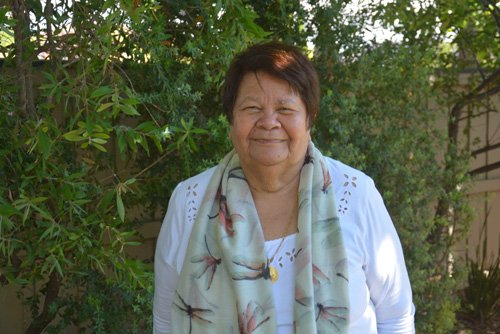
Shirley Quaresimin
Chairperson
Shirley assumed the role of NATSICC Chairperson in December 2025. The Chair leads the council Spiritually and Practically.
-
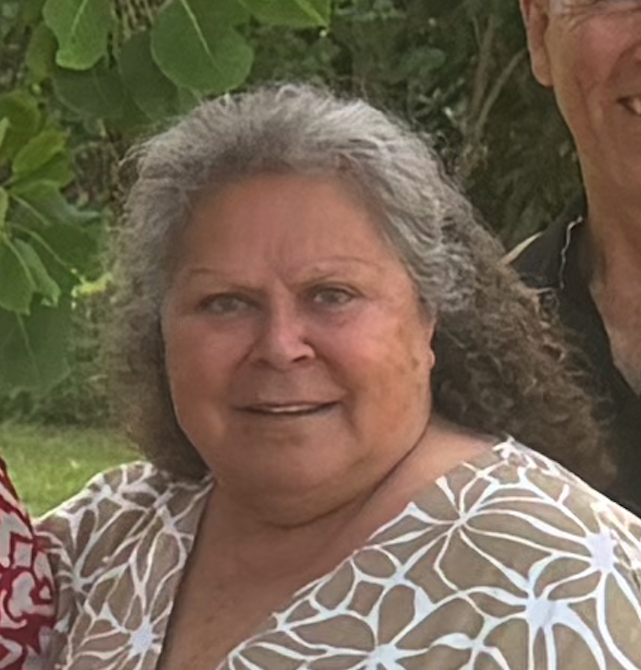
Doreen Flanders
Deputy Chairperson
The Deputy Chairperson supports the Chairperson and also provides leadership to the Council. -
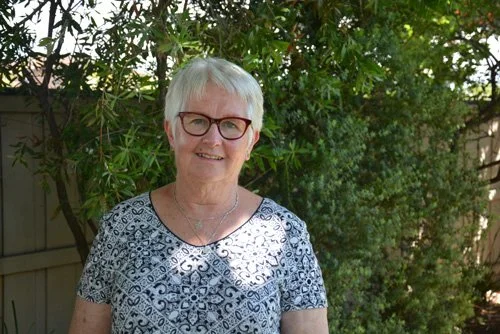
Sally FitzGerald
Secretary
Overseeing the Policy and procedures of the council, the Secretary forms an important part of the team that ensures the council is run correctly.
-
Jaimi Lee Armstrong
Treasurer
The Treasurer works alongside the Chairperson in planning and approving budgets and expenditure. The role is very important in not for profit organisations such as NATSICC to ensure transparency and efficient use of funds.

Bishops Commission for relations with Aboriginal and Torres Strait Islander Peoples
The full inclusion of Catholic Aboriginal and Torres Strait Islander peoples into the life of the Church is still incomplete. This Commission seeks their fuller participation in every aspect of Church life and commits itself to promoting their dignity as brothers and sisters in Christ and to addressing the challenges that face them.
The Commission also wishes to assist Aboriginal and Torres Strait lslander people to achieve their rightful and proper place in the mainstream of Australian society while preserving precious elements of their own Culture.
NATSICC is a not for profit Organisation that is funded by the Catholic Church and Caritas Australia's First Nations Program and is the peak Advisory Body to the Commission.
Commission Secretary

Grey Baynie
Executive Secretary
Bishops Commission for Relations with Aboriginal & Torres Strait Islander Peoples
Australian Catholic Bishops Conference
GPO Box 368, Canberra ACT 2601
P: 02 6201 9886 |M: 0466 505 728
Membership
-
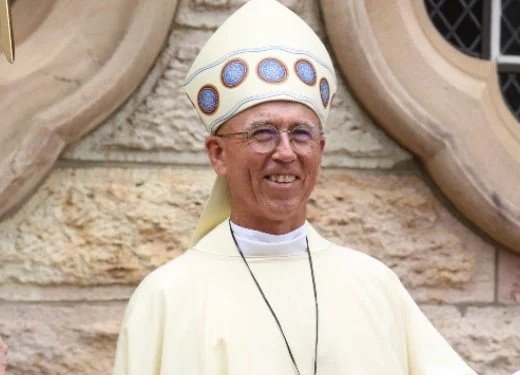
Bishop Tim Norton SVD (Chair)
-
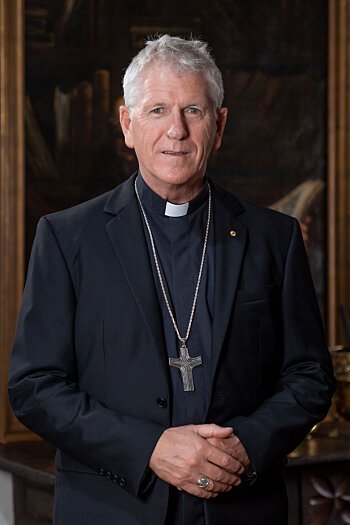
Bishop Joseph Caddy
.
-
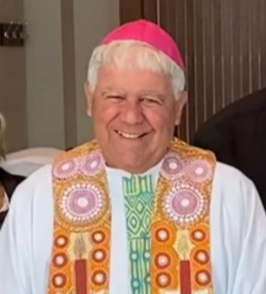
Bishop Charles Gauci
-
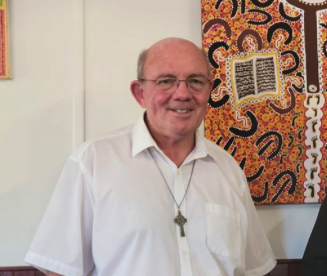
Bishop Michael Morrissey
Aboriginal and Torres Strait Islander Peoples and the Catholic Church
Understanding Culture and Faith
The Melding of Traditional Belief Systems and Catholic Faith
Aboriginal and Torres Strait Islander Culture has been in place for over 60,000 years in Australia and is the oldest surviving Culture in the world. However, there was not a singular 'Culture' shared by the thousands of Language Groups that covered the Australian Continent at the time of settlement. Each Group had different environments and differing kinship systems, dreamtime stories and spiritual beliefs. There were, however, constant threads throughout including the concept of a Creator Spirit that provides and watches over us. Aboriginal and Torres Strait Islanders are a Spiritual people, a people who are aware of the spiritual reality of the land and of their own lives
When early Christian Ministries introduced the Bible to Aboriginal people, the Elders recognised many similarities between the Old Testament stories and Traditional stories, laws and the teachings of God (or a creator Spirit). They believed and had faith in their Ancestor Spirit and relied on Him for all their needs. He was their Protector, Provider, Carer and Saviour. His name was honoured.
Traditional Culture uses stories to teach about sharing, caring for each other and the land and providing moral guidance. The stories throughout the Bible serve the exact purpose - placed God's teachings into our own Cultural context.
Then there is the story of the black and white cockatoos. They were brothers. One day the white cockatoo found the black cockatoo sitting under a shady tree looking angry and upset. ‘What is wrong, brother?’ ‘I’m angry with dad because he made me black. Why didn’t he make me like you? I’m going to change myself’. He went to his uncle’s country and asked him for honey and clay. ‘Get as much as you like, there’s plenty there’. He got the clay and honey and went back home. He powdered the clay and rubbed honey all over himself and put the powdered clay on. He looked at himself and said, ‘Now I look like my brother’. His grandpa got so angry with him and he called on the monsoon to bring rain. It washed all the clay off him.
Later his brother came and spoke to him. He reminded him about his father’s love for him. He took him to the father and made things right again. Today the black cockatoo is happy. He’s singing when flying and feeding. Jesus our Big Brother has made things right for us. He has broken the barrier that kept us away from our Father and each other. (Eph. 2:11-22; Rom. 5:1-11.)
An excellent example was provided by Pastor George Rosendale:
The story illustrates wonderfully the ways in which Aboriginal and Torres Strait Islander Catholics can adapt and see the similarities of the stories contained in the Bible with traditional teaching and stories. The underlying Lesson is clear, it is the context that provided the feeling of ownership of the teaching. Once these connections are made, the Gospel is perfectly relevant and at the centre of the faith systems of Aboriginal and Torres Strait Islander Catholics.
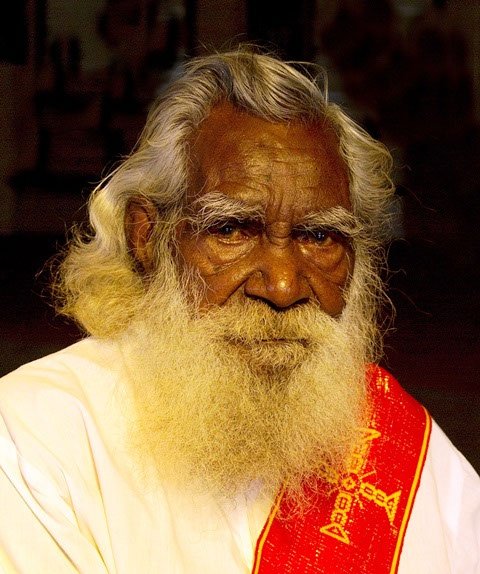
When I read the Gospels, I read them as an Aboriginal. There are many things in the Gospel that make me happy to be an Aboriginal because I think we have a good start ...
Christ did not get worried about material things...
He was born in the countryside in a cave. like many of us have been born. He walked about like us and with nowhere to lay his head. He died with nothing on a cross. So many of our people die with nothing. He liked the bush as we do. He loved nature ... He loved the big things like the hills and open spaces. He loved the little things like the mustard seed and the grain of wheat and the com, drops of cold water and the little sparrows. We have similar 3 things like seeds and berries and yams, small water holes, and we like the quietness of the hills and the bush. Like him we have a deep sense of God in nature.
We like the way he uses the things of nature to teach, and the important part nature plays in the Sacraments ... We can appreciate also the community nature of the Church, because we are very conscious of being part of a group bound by Religious ties. We are strong on ceremony. through dance and song and painted bodies. Our ceremony closely involves groups and group participation... So the ceremony of the Mass, the ceremony of the Sacraments and the ceremony of the liturgy should find a ready response in us, provided it is made meaningful, based on a theology that is tuned to the Aboriginal mind.
Deacon Boniface Perdjert
Aboriginal and Torres Strait Islander Catholics
At the last census over 135,000 Aboriginal and Torres Strait Islander people identified as Catholics. It is the youngest and fastest growing demographic in the Australian Catholic Church today.
Every State and Territory has a local Aboriginal and Torres Strait Islander Catholic Ministry that works on a local level.
Some of the Programs/Services they may provide include Sacramental training, material assistance, hospital and prison visits, Mass, Healing Programs, Welcome and Acknowledgments to Country and more.
Aboriginal & Torres Strait Islander Catholics 1991 -2021
List of Aboriginal or Torres Strait Islanders that are Ordained Priests, Religious or Permanent Deacons (past and present) in Australia.
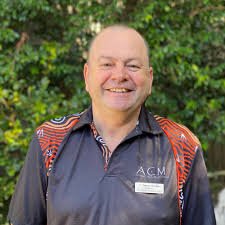
Priests
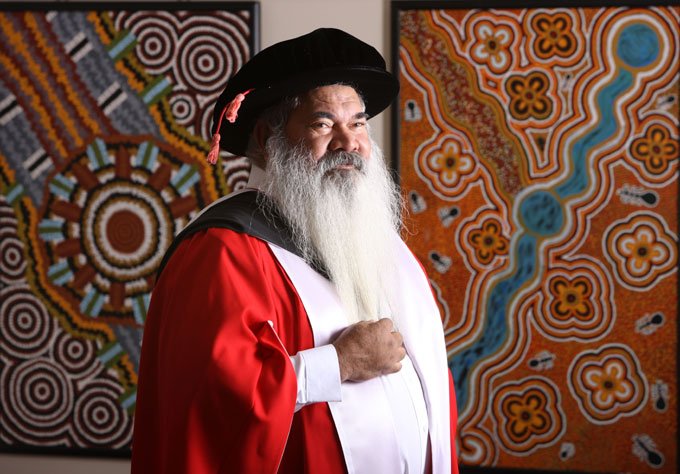
Fr Darryl Mackie
Pat Dodson
(former Priest)
Permanent Deacons
Theodore Tipiloura
(dec)
Tiwi

Monty Pryor
(dec)
Townsville
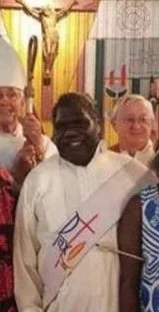
John Bosco
(dec)
Tiwi
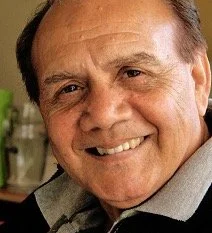
Ralph Madigan
Cairns
John Baptist Kelantumama (dec)
Tiwi
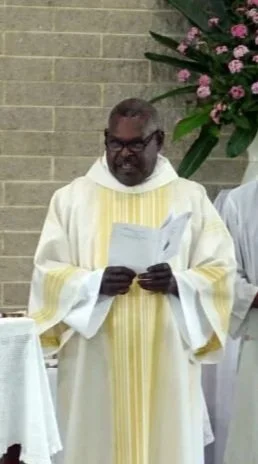
Kopel Gibuma
Cairns
Peter Brogan
(dec)
Tiwi
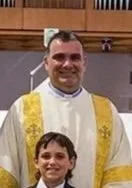
Clink McGoldrick
Brisbane
Boniface Perdjert (Ngiparl) (dec)
Wadeye
Alf Liddle
(dec)
Darwin
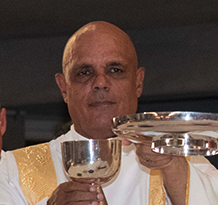
Dean Chisholm
Darwin
Religious
We are compiling the list of Aboriginal and Torres Strait Islander Religious
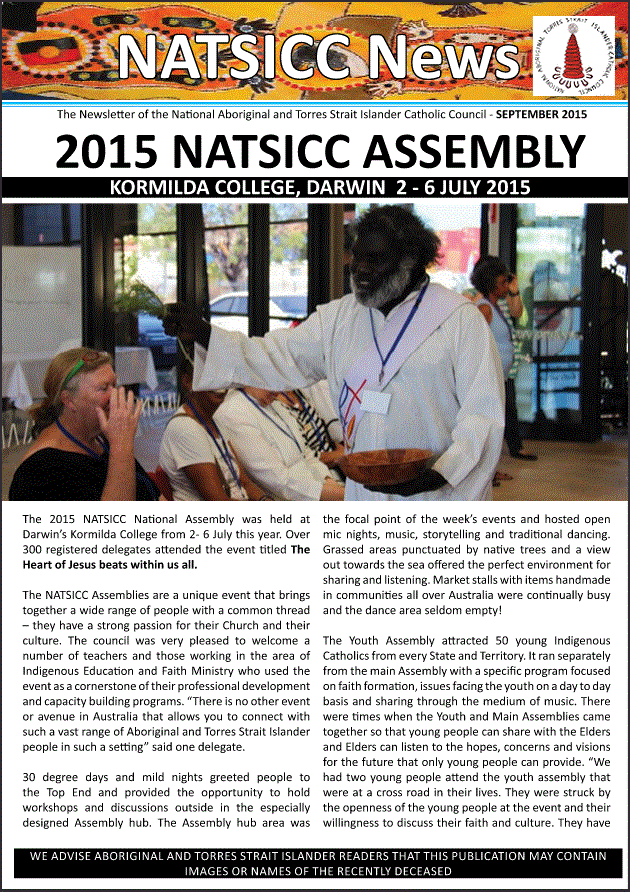
The NATSICC News is a printed Newsletter that shares the stories and events of Aboriginal and Torres Strait Islander Catholics from across Australia.
NATSICC Secretariat and Contact details
80c Payneham Rd. Stepney, SA 5069
PHONE:
08 8363 2963
MOBILE:
0402 019 536
Office Hours:
Mon - Fri 9am - 5pm
EMAIL:
admin@natsicc.org.au